







What is Wegovy and how does it work?
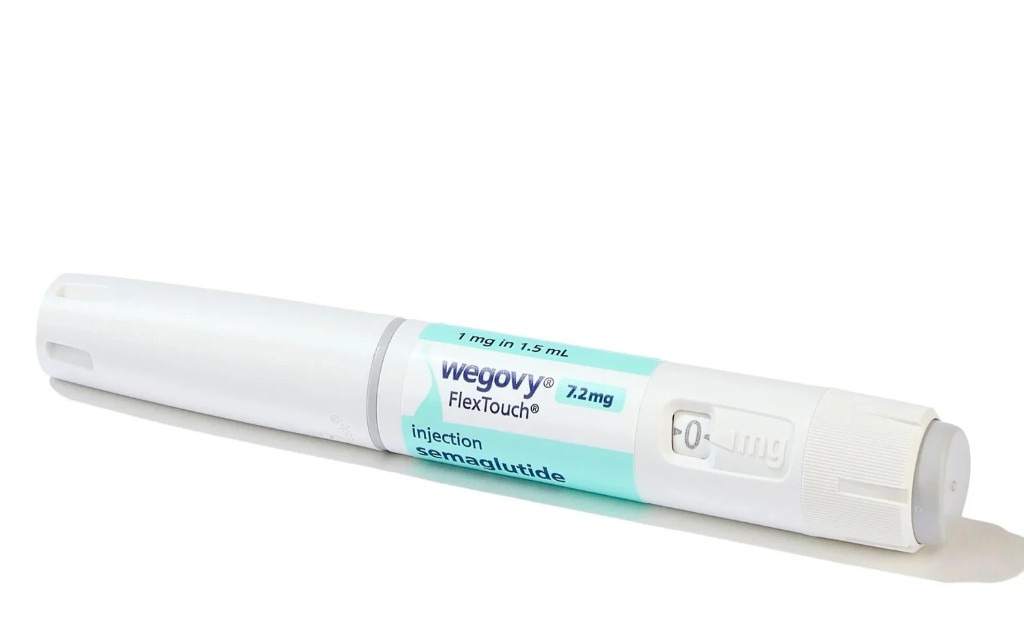
Wegovy contains semaglutide, a GLP-1 receptor agonist that works by helping regulate appetite and energy intake.
It supports weight loss by reducing appetite and food noise, increasing feelings of fullness after smaller meals, slowing stomach emptying, and helping patients sustain longer term behaviour change alongside treatment.
It is typically prescribed as a weekly injection, although oral treatment options such as the Wegovy pill (where licensed) continue to develop and may expand choices over time. For how tablet and pen formats compare, read our guide to Wegovy injection vs Wegovy pill.
What is new from the STEP UP trial?
The original STEP UP trial, published in The Lancet in November 2025, showed that patients taking the higher 7.2 mg dose lost an average of 20.7% of their body weight. For more context on the main trial read our overview of Wegovy 7.2 mg trial results.
At the European Congress on Obesity in 2026, researchers presented a further analysis looking at a specific subgroup of patients.
These patients were described as early responders, defined as those who lost at least 15% of their body weight by week 24 of treatment.
What did early responders achieve?
Among this subgroup, average weight loss reached 27.7%.
MRI data showed that 84% of the weight lost was fat mass, with a significant reduction in abdominal fat of around 30%.
Importantly, the safety profile remained consistent with the wider study population, with no new safety concerns identified.
Why this result matters and how to interpret it
This is one of the highest levels of weight loss reported in a GLP-1 study, but it is important to interpret these findings carefully.
The 27.7% figure does not apply to every patient. It reflects outcomes in a specific subgroup who responded quickly within the first six months of treatment.
For the overall population in the trial, average weight loss remained closer to 20%.
This is where nuance is important. These are not typical results for every patient, but they do show what is possible in the right clinical context.
This type of analysis helps clinicians better understand which patients may benefit most from higher doses and allows for more personalised treatment decisions.
It also explains why weight loss outcomes vary. Some patients respond quickly, others more gradually, and some may see more modest results.
Injection versus tablet options
Although these results relate to injectable semaglutide, they are still relevant for patients considering oral alternatives or comparing pen and tablet formats more generally.
At present, the most significant weight loss outcomes are seen with injectable treatment.
Oral GLP-1 options are developing, but they may have different absorption patterns, require more specific dosing routines, and can produce different average results.
When patients ask about tablets versus injections, the conversation should not just be about convenience. It should be about what is most likely to deliver a safe and meaningful result for that individual.
What determines whether someone is an early responder?
There is no single way to predict early response, but clinicians consider several factors.
These include baseline body mass index and metabolic health, eating behaviours and appetite patterns, how the patient responds during the first 8 to 16 weeks, adherence to treatment, and the presence of conditions such as insulin resistance.
This is why follow up matters so much. The first few months of treatment tell us a lot about how a patient is responding and whether we need to adjust our approach.
This is why ongoing clinical review is essential, rather than relying on a single prescription decision at the start.
Safety and clinical oversight
The higher 7.2 mg dose showed a safety profile consistent with earlier studies, with no new concerns identified in the early responder group.
However, dose increases must always be clinically supervised. Not all patients are suitable for higher doses, and side effects, particularly gastrointestinal symptoms, still need careful monitoring.
At PrivateDoc, treatment includes a structured online assessment, prescriber review, and ongoing clinical support.
What this means for patients
High levels of weight loss are possible, but they are not guaranteed.
Headlines such as 27.7% weight loss represent outcomes in specific groups rather than typical results.
Early progress during the first three to six months is important, as it provides insight into how well treatment is working and whether adjustments may be appropriate.
Most importantly, treatment is not one size fits all. The focus should not be on the highest available dose, but on the safest and most effective approach for each individual.
Next step
If you are considering Wegovy, whether as an injection or a future oral option, the appropriate next step is to start an online consultation.
This allows a clinician to assess suitability, determine which treatment pathway is appropriate, and set realistic expectations based on your individual profile.
Final thought
This new data reinforces an important principle.
The best outcomes come from the right treatment, at the right dose, supported by ongoing clinical care, rather than focusing solely on headline figures.
Disclaimer
This article is for general information only and does not replace personalised medical advice. Conference presentations and subgroup analyses may differ from final peer-reviewed publications. Always speak to a qualified clinician before starting or changing treatment.