

Call customer care on: 0333 358 0200

Mounjaro vs Wegovy, Mysimba & Nevolat

UK weight-loss medicines compared
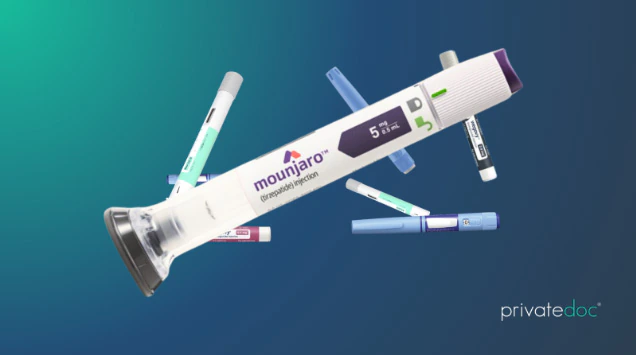
Weight loss medicines: weekly injections such as Mounjaro and Wegovy, daily liraglutide, and oral options including semaglutide tablets where licensed

Interest in prescription weight-management medicines has grown sharply. Supply, commissioning, and eligibility vary, so patients often ask how Mounjaro, Wegovy (injectable semaglutide), Wegovy Pill (oral semaglutide where licensed), Nevolat (liraglutide), and Mysimba differ—and what is appropriate only under clinical supervision.

Several active ingredients have MHRA-approved presentations for obesity and/or related conditions. Many injectable options now discussed in UK practice are once-weekly GLP-1–based therapies (injectable semaglutide or tirzepatide), while daily liraglutide remains relevant for some patients. Oral semaglutide for weight management is an additional presentation in some markets; it is not interchangeable with the weekly injection. Oral therapies such as Mysimba follow different rules for eligibility and monitoring.

This overview summarises mechanisms, typical dosing patterns, and themes from trials—it is not a substitute for personalised medical advice. For a focused two-way injectable comparison, see Mounjaro vs Wegovy. For injectable vs oral semaglutide, see Wegovy injection vs Wegovy Pill. For investigational retatrutide (triple agonist), see Retatrutide vs Mounjaro: triple-action worth the wait? For UK treatment options and pricing context after a clinician approves a plan, see weight loss treatments and our weight loss service hub.



Active ingredient: Semaglutide (injectable and oral)

Obesity presentations: Wegovy is once-weekly injectable semaglutide for weight management in eligible adults, alongside diet and exercise, where licensed. Wegovy Pill is oral semaglutide for weight management in regions where it is licensed; UK availability evolves—confirm current options with your prescriber. The two forms share an active ingredient but differ in schedule, absorption, and practical use; they are not interchangeable. For a dedicated comparison, read Wegovy injection vs Wegovy Pill.

Also found in (other indications, where licensed): Diabetes presentations such as Ozempic (injection) and Rybelsus (tablet) are different brands, strengths, and licensing from obesity products—never switch or borrow medicines without medical advice.

Mode of action: Semaglutide is a GLP-1 receptor agonist. GLP-1 receptor activation supports reduced appetite and improved satiety signalling for many patients, alongside lifestyle change.

Dosing pattern (typical): Injectable Wegovy usually starts low and increases in weekly steps toward maintenance where appropriate. Oral semaglutide for obesity follows its own titration and administration rules (including timing with food and water). Always follow the patient information and your clinician’s plan for the specific product supplied.


Active ingredient: Liraglutide (Nevolat and branded options)

Found in: Nevolat (authorised generic liraglutide for weight management where prescribed), and branded daily liraglutide products for obesity (historically often discussed under the Saxenda brand name). Diabetes presentations use different brands and doses (e.g. Victoza)—do not interchange without medical advice.

Description: Liraglutide is a GLP-1 receptor agonist given by daily injection for obesity management in eligible adults, with diet and activity, when a prescriber selects it.

Dosage: Dosing typically escalates in small steps toward a maintenance dose as described in the patient information and your prescriber’s instructions.

For practical pack duration questions, see how long does a Nevolat pen last?


Active ingredient: Tirzepatide (Mounjaro)

Found in: Mounjaro.

Description: Tirzepatide is a dual GIP and GLP-1 receptor agonist used for weight management in eligible adults alongside diet and exercise, where licensed and prescribed.

Dosage: Weekly injections usually follow a stepwise increase plan toward the maximum licensed dose only if tolerated and appropriate.

Mode of action: Dual agonism targets two incretin-related pathways; trial averages and individual responses differ, and the “best” medicine is not the same for everyone.


Active ingredient: Retatrutide (investigational)

Status: Not MHRA-approved as a marketed weight-loss medicine at the time of writing; available only in clinical trial settings.

Description: Retatrutide is a triple agonist acting on GLP-1, GIP, and glucagon receptors. Published trial data are evolving; it is not an alternative you can obtain as a standard NHS or private prescription until licensed and supplied legitimately. For a deeper overview of mechanism, trials, and how it is discussed next to licensed options, read Retatrutide vs Mounjaro: triple-action worth the wait?


Active ingredients: Naltrexone and bupropion (Mysimba)

Found in: Mysimba (UK).

Description: Mysimba is a combination tablet used for weight management in eligible adults with obesity or overweight and a weight-related comorbidity, alongside diet and exercise, when prescribed.

Mode of action: It combines agents thought to reduce appetite and modulate reward- and craving-driven eating. That profile means some patients and prescribers discuss it when emotional or stress-related eating is a prominent part of a patient's profile, helping to take the edge off habitual, urge-driven eating alongside structured support, not as a stand-in for addressing underlying mood or life stressors. It is not a GLP-1 therapy; monitoring and contraindications differ from injectable GLP-1 medicines, and suitability must be judged individually.


Choosing a weight-loss medicine

The decision between injectable semaglutide, oral semaglutide (where available), tirzepatide, liraglutide, Mysimba, or other options depends on licensing, eligibility, side-effect profile, comorbidities, medicines you already take, cost and access, and your preferences.

All of these treatments can cause adverse effects; serious risks exist for some patients (for example pancreatitis or gallbladder disease are recognised themes in drug safety information—your prescriber should screen and counsel you).

Trials report averages, but clinics see individual variation—some people respond better after switching under supervision, while others plateau or do not tolerate a given drug.

Staying on-label is the default; any off-label prescribing must be clinically justified and lawful. These medicines are also studied beyond obesity; claims beyond licensed use do not belong in self-directed treatment decisions.

PrivateDoc weight loss programme

Our programme combines weight loss medication with tailored diet guides and lifestyle coaching.

  • Weight loss medication
  • Monthly meal plans
  • 12 week coaching plan
  • Private community access
  • Ongoing medical support

How it works

Get personalised care
02. Get personalised care

We'll provide you with a tailored treatment plan from a UK registered doctor

Get next day delivery
03. Get next day delivery

Receive genuine medication shipped discreetly to your door

Did you know?

Over 40% of the population has tried to lose weight at some point in the last 5 years – so you’re certainly not alone

Chat on WhatsApp