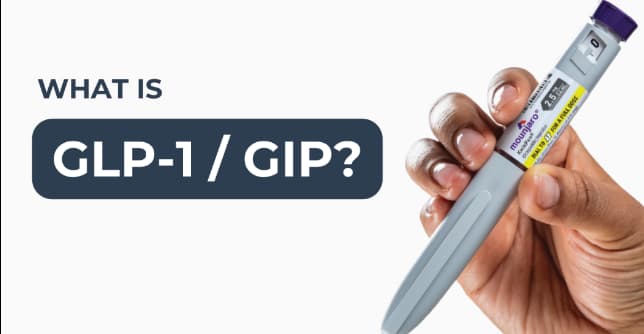
What is GLP-1?
GLP-1 (glucagon-like peptide-1) is a hormone involved in appetite regulation and insulin secretion. GLP-1 receptor agonists used in obesity care aim to reduce hunger and improve satiety signalling for many patients, alongside diet and physical activity, when a UK-registered prescriber selects them.
What is GIP?
GIP (glucose-dependent insulinotropic polypeptide) is another incretin-related hormone with roles in nutrient handling and energy metabolism. Targeting GIP as well as GLP-1 is the distinguishing idea behind dual agonists such as tirzepatide; mechanisms are complex and individual responses vary.
Introducing Mounjaro: a dual-action approach
Mounjaro (tirzepatide) activates both GIP and GLP-1 receptors. In clinical development programmes, dual agonism has been associated with substantial mean weight loss in selected populations when combined with lifestyle support; cardiovascular and metabolic benefits remain areas of active study and product-specific safety information.
These medicines are not interchangeable with other brands or indications; always use the product and dose your clinician has prescribed.
What is best? GLP-1 alone vs GLP-1/GIP combination
There is no single trial that answers “best for everyone.” Indirect comparisons across different study designs can be misleading. Programme data have reported, for example, higher mean weight loss at 72 weeks with a GIP/GLP-1 regimen than with some GLP-1-only arms at different time points—context, population, and rescue/adherence rules all matter.
The right choice depends on individual eligibility, tolerability, comorbidities, preferences, and access—not on averages alone. At PrivateDoc, any prescription weight-management plan follows our online assessment, which a UK-registered prescriber reviews before confirming whether treatment is suitable and safe for you.