



Oxytetracycline

Oxytetracycline is a well-established oral antibiotic used in the treatment of moderate inflammatory skin conditions. It is commonly prescribed as part of our wider range of acne treatments , particularly when topical therapies alone have not been effective. In my clinical experience, many patients respond well to oral antibiotics such as Oxytetracycline or alternatives like Lymecycline , especially where inflammation is driving ongoing breakouts rather than isolated spots.

Like any other prescription medication you must consult a doctor before using it. PrivateDoc offers a confidential free consultation service that may result in you receiving a prescription for Oxytetracycline if it is deemed appropriate and Oxytetracycline can be prescribed safely.

Complete a 100% free and secure consultation to explore your treatment options. How our online prescription consultation works.
Packs and prices
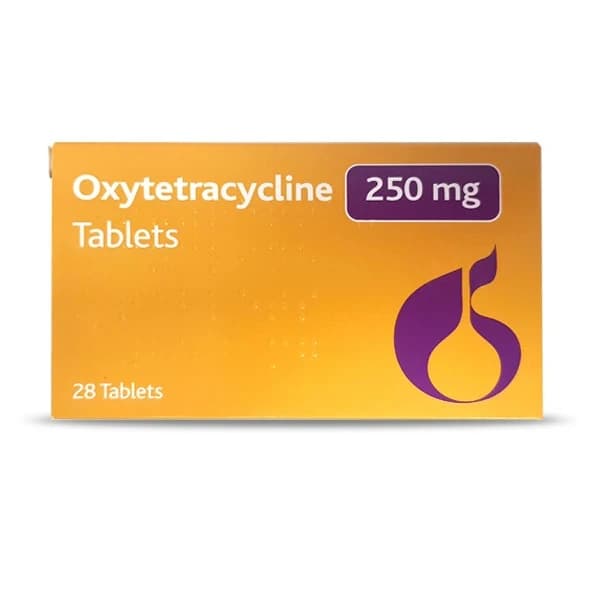
Oxytetracycline costs from £70.00. Prescription included.
1 x 112 tablets£70
Oxytetracycline 250mg2 x 112 tablets£140
Oxytetracycline 250mg3 x 112 tablets£189
Oxytetracycline 250mg
Prescription included
What is Oxytetracycline?
Oxytetracycline is a well-established oral antibiotic used in the treatment of moderate inflammatory skin conditions. It is commonly prescribed as part of our wider range of acne treatments, particularly when topical therapies alone have not been effective. In my clinical experience, many patients respond well to oral antibiotics such as Oxytetracycline or alternatives like Lymecycline, especially where inflammation is driving ongoing breakouts rather than isolated spots.
For patients with inflammatory skin conditions such as rosacea, Oxytetracycline can help to reduce both bacterial activity and inflammation within the skin. We find that, for some patients, oral antibiotics provide more consistent control than topical treatments alone. Patients should not feel they need to settle for moderate improvements.
Medically, our aim is to prevent new acne or rosacea lesions from forming, rather than simply reducing their severity.
How does Oxytetracycline tablets work?
Oxytetracycline is an antibiotic from the tetracycline group of medicines. It is described as a broad-spectrum antibiotic, meaning it works against many different types of bacteria. Oxytetracycline may be prescribed for certain skin conditions, such as acne and severe rosacea, when antibiotic treatment is considered suitable.
The skin produces an oily substance called sebum. Some bacteria live on the skin and can grow more easily where there is more sebum. As these bacteria break down the oil, they produce substances that can irritate the skin. This irritation can cause inflammation, leading to redness and spots.
Oxytetracycline helps by reducing the number of these bacteria on the skin. With fewer bacteria present, there is less irritation and inflammation, which helps the skin to settle and heal.
What should I do if I take too much or miss a dose?
If you miss a dose, then this should be taken as soon as you remember. If this is close to when the next dose would be due, do not take a double dose. Instead continue as normal from when the next dose would be due.
If more oxytetracycline than prescribed is taken, or if an overdose is suspected, medical advice should be sought straight away. Contact your doctor, pharmacist, NHS 111, or attend A&E if you feel unwell or have concerns.
How long does it take Oxytetracycline to work?
Oxytetracycline can take a different length of time to work for each patient. The majority of patients will see a marked improvement in their skin within two months of taking the antibiotic. The usual course for oxytetracycline is at least three months (total length of treatment will be determined by the prescriber). If no improvement has been seen after three months, then treatment should be discontinued and an alternative option should be considered.
Is it safe to buy Oxytetracycline online?
Oxytetracycline is a prescription only medicine. At PrivateDoc we have a team of GMC and GPhC registered doctors and pharmacists, all with many years of experience in prescribing for skincare issues. Once a consultation is completed, this is reviewed by one of our prescribers. If deemed appropriate, a prescription is issued and sent securely to our GPhC registered pharmacy, where the treatment will be dispensed and shipped securely.
Who can and cannot take Oxytetracycline?
Tetracyclines are designed to be taken by adults and children over the age of 12. They should never be given to anyone under the age of 12.
You should not take Oxytetracycline if -
- You have a known sensitivity to the tetracycline group of drugs or allergic to any of the other ingredients contained in the tablets. The tablet colouring includes tartrazine (E102), which can cause allergic-type reactions including asthma. Allergy is more common in those people who are allergic to aspirin. An allergic reaction may be recognised as a rash, itching, swollen face or lips, or shortness of breath.
- You have been told by your doctor that you have an intolerance to some sugars. These tablets contain lactose and sucrose.
- You are suffering from a severe liver or kidney complaint or porphyria.
- You are pregnant or breast-feeding (unless instructed to do so by your doctor).
- You are suffering from Systemic Lupus Erythematosus (an immunological disorder affecting connective tissue and vessels of the skin, nervous system, heart, lungs, kidneys, joints and other organs).
Take special care with Oxytetracycline tablets and tell your doctor if: -
- You suffer from myasthenia gravis, a condition characterised by muscle weakness, difficulty chewing and swallowing and slurred speech
- Have reduced kidney or liver function.
If you are pregnant, planning to become pregnant or are breast feeding, ask your doctor or pharmacist for advice before taking oxytetracycline as this could cause harm to the baby.
For further information and contraindications please see the patient information leaflet.
How do I take Oxytetracycline?
The tablets should be taken orally ideally on an empty stomach (one hour before or two hours after food).
- Your doctor will decide the most appropriate dose for you. The usual dose is 1-2 tablets(250-500mg) daily either as a single dose or in divided doses for three months.
- Always use the medication as instructed by the doctor and follow the advice on the pharmacy label. If you do not understand anything ask your doctor or pharmacist before taking the medication.
- Swallow the tablets whole whilst standing or sitting down. Do not take the tablets immediately before going to bed.
- Dairy products should be avoided at the same time as taking oxytetracycline as these will adversely affect the absorption of the antibiotic into the patient's system.
Can I use Oxytetracycline if I am pregnant or breastfeeding?
Tetracyclines should be avoided in pregnancy unless unavoidable.
During pregnancy, tetracyclines can cause problems with skeletal development in the unborn foetus as well as liver toxicity in the mother.
The drug is also excreted into breast milk and therefore should be used with extreme caution in breastfeeding mothers. The potential to inhibit adequate bone development in the baby should be explained to the mother and if an alternative product is available then this should be used instead.
Antibiotic stewardship
At PrivateDoc, antibiotics are prescribed with long-term health in mind. While they are an essential and sometimes life-saving treatment, inappropriate or prolonged use can increase the risk of antimicrobial resistance, where infections become harder to treat over time.
Our clinicians prescribe antibiotics only when there is a clear clinical benefit, using the lowest effective dose for defined periods, and supporting treatment with non-antibiotic options where appropriate. This approach helps protect patients now, while preserving antibiotic effectiveness for the future.
For more on how we use antibiotics responsibly and how you can help reduce antimicrobial resistance, read our antibiotic stewardship guide.
The expert team leading our online clinics
PrivateDoc is happy to introduce you to some of our leading UK licensed clinicians.

Dr Ruchira Karunadasa
Chief Medical Director
Dara O'Malley
Director of Pharmacy
Caroline Marshall
Head of OperationsQuality care when you need it most
Clinical authorship and medical review