







Authored on 15 May 2026 by Dr Ruch Karunadasa,
Medically reviewed 15 May 2026 by Adeel Arshad.
Next review due: 15 May 2027
What is obesity?
Obesity and severe overweight are serious, long-term health concerns. In the UK, rates of obesity have risen substantially over recent decades, linked to changes in diet, activity, work patterns, and daily life.1
When calorie intake regularly exceeds what your body uses, excess energy is stored as fat. Over time this can affect physical health, mental wellbeing, and quality of life. If you are concerned about your weight, speaking to a healthcare professional is an important first step.
The definition of obesity
Body mass index (BMI) is a widely used screening tool based on height and weight. It does not measure body fat directly, but it helps clinicians classify whether weight may be affecting health.
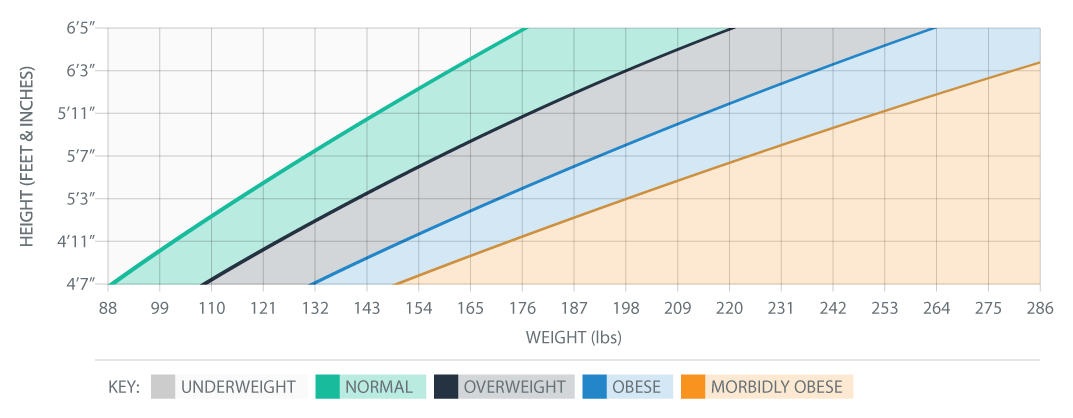
BMI ranges commonly used in UK practice include:
- 18.5 to 24.9 — healthy weight range for most adults
- 25 to 29.9 — overweight
- 30 to 39.9 — obese range
- 40 and above — severely obese
Clinicians may also consider waist measurement, ethnicity, muscle mass, age, and other conditions when assessing whether treatment is appropriate. You can use our BMI calculator as a starting point, then discuss results with a prescriber.
Obesity causes and health problems
Obesity is often associated with diet and low physical activity, but other factors matter too — including stress, poor sleep, loss of muscle mass, some medicines, and hormonal conditions such as underactive thyroid or polycystic ovary syndrome (PCOS).
Without support, obesity can contribute to breathlessness, joint pain, fatigue, and gallstones. Longer term, it is linked to higher risk of type 2 diabetes, coronary heart disease, high blood pressure, stroke, and some cancers.
If you are worried about underlying causes of weight gain, our metabolic health screening tests may help identify factors worth discussing with your clinician.
Lifestyle changes and weight management
Even a modest reduction in body weight — around 10% for many people — can improve breathing, mobility, and control of conditions such as hypertension or type 2 diabetes.
Sustainable change usually combines:
- A balanced, calorie-aware diet rich in fruit, vegetables, and wholegrains
- Gradual increases in activity — for example building toward 30 minutes of moderate exercise on most days
- Realistic goals — many people aim for around 0.5–1 kg (1–2 lb) loss per week when actively losing weight
- Support when mobility or pain makes exercise difficult — walking and gentle progression are often a good start
Prescription treatment works best alongside these habits, not instead of them. Read more in our resource library, including tips to help you lose weight and the obesity epidemic in the UK.
Prescription treatment options
If you have a BMI in the obese range (typically 30 or above, or 27 or above with a weight-related condition), and lifestyle measures alone have not been enough, a UK-registered clinician may discuss prescription options after an online consultation.
At PrivateDoc we currently offer medicines including:
- Wegovy (semaglutide injection) — weekly GLP-1 treatment
- Wegovy Pill (oral semaglutide, where licensed and clinically appropriate)
- Mounjaro (tirzepatide) — weekly dual GIP/GLP-1 injection
- Nevolat (liraglutide) — daily injection
- Mysimba (naltrexone and bupropion) — tablets
- Orlistat (Xenical and generic) — capsules with meals
Eligibility, dosing, and follow-up are decided individually. Compare all options on our weight loss treatments page or weight loss hub.
Surgery and other care
Bariatric surgery (such as gastric bypass or sleeve gastrectomy) may be considered on the NHS or privately when other approaches have not succeeded and clinical criteria are met. These procedures are invasive and require lifelong follow-up — your GP or specialist team can advise whether referral is appropriate.
PrivateDoc provides regulated online prescribing and ongoing support for eligible patients using licensed medicines; we do not provide surgical weight loss procedures.
References
- NHS — Obesity (accessed May 2026)
Ready to explore treatment?
Complete a confidential online consultation. A UK clinician will review whether a prescription weight loss plan is suitable for you.
