


Acne meds prescribed online, delivered discreetly to your door
We will recommend a personalised treatment plan for you


About 95% of people aged 11 to 30 are affected by acne to some extent, but it isn't only a condition of the young as 3% of adults over 35 are affected by acne.1
Acne is a very common skin condition that affects most people at some point in their life. It is characterised by spots on the face, upper back or chest. Acne on the face is the most common, back acne affects about half of people and around 15% will have symptoms affecting the chest.1 These spots can be classed as mild to severe and include comedones (whiteheads and blackhead), papules, pustules, nodules and cysts.
Acne frequently starts in puberty and often resolves itself by your early twenties, but it can affect you at any age and may develop for the first time later in life. Acne can be very distressing and can have a real impact on your self-confidence. It is important that you treat it early on and don't wait for it to 'get bad' before seeking out help and treatments.
There are many common myths that acne is caused by poor hygiene or a diet of fast food and chocolate, but evidence suggests that these do not cause acne and it is more likely to be due to a genetic or hormonal cause.
Oxytetracycline
A prescription-only acne & rosacea treatment used to treat bacterial infections, by controlling bacteria and inflammation.
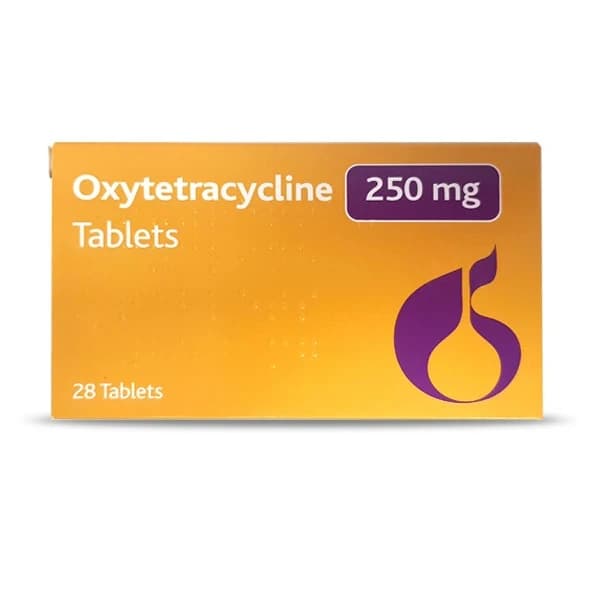
A prescription-only acne & rosacea treatment used to treat bacterial infections, by controlling bacteria and inflammation.
Treclin gel
Treclin gel combines clindamycin and tretinoin for mild to moderate acne in patients aged 12 and over.
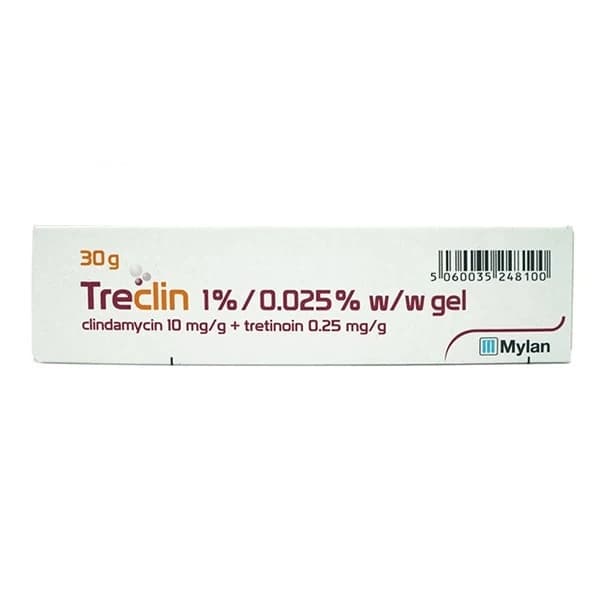
Treclin gel combines clindamycin and tretinoin for mild to moderate acne in patients aged 12 and over.
Lymecycline
Lymecycline capsules are from a family of medicines called tetracycline antibiotics. It is used to treat acne by killing the bacteria which causes the infection and inflammation.
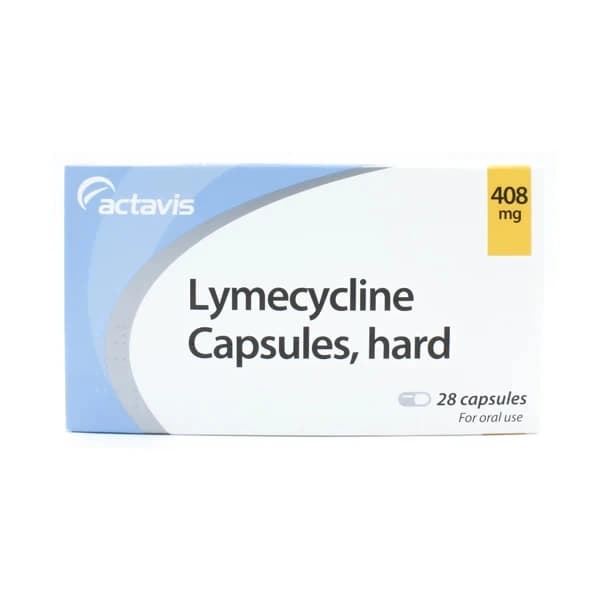
Lymecycline capsules are from a family of medicines called tetracycline antibiotics. It is used to treat acne by killing the bacteria which causes the infection and inflammation.
Dalacin T Topical Solution
Dalacin T is a prescription-only acne treatment. Dalacin T Topical Solution and Lotion both contain the active ingredient Clindamycin Phosphate, which is an antibiotic medicine.
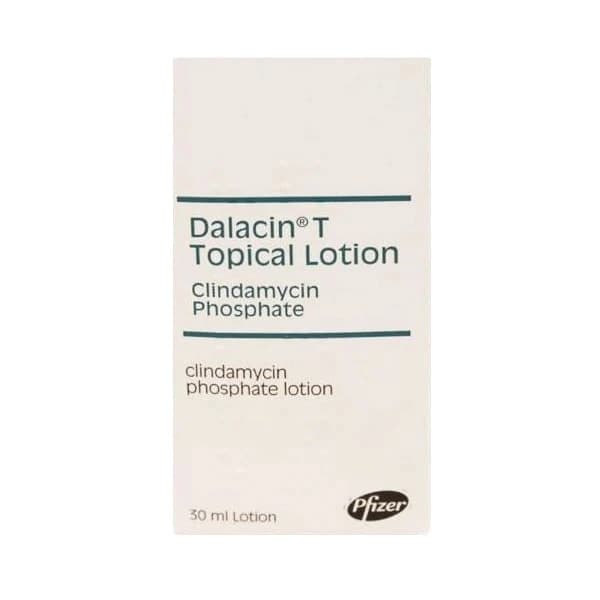
Dalacin T is a prescription-only acne treatment. Dalacin T Topical Solution and Lotion both contain the active ingredient Clindamycin Phosphate, which is an antibiotic medicine.
DUAC Once Daily
Duac Once Daily gel is a topical treatment for mild to moderate acne. It contains two active ingredients: clindamycin is an antibiotic which stops the bacteria involved in acne from reproducing and benzoyl peroxide reduces blackheads and whiteheads and kills the bacteria involved in acne.
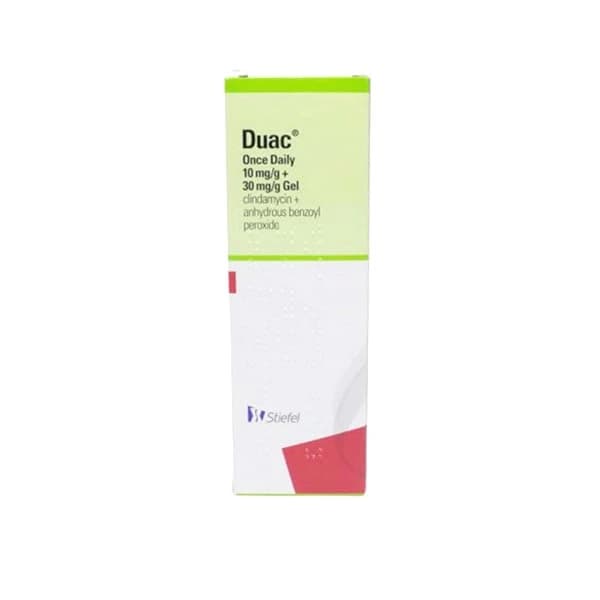
Duac Once Daily gel is a topical treatment for mild to moderate acne. It contains two active ingredients: clindamycin is an antibiotic which stops the bacteria involved in acne from reproducing and benzoyl peroxide reduces blackheads and whiteheads and kills the bacteria involved in acne.
Differin Cream
Differin Cream contains adapalene, which is a form of vitamin A used in the treatment of acne. Differin has an anti-inflammatory effect and is used to reduce soreness and irritation of the skin.
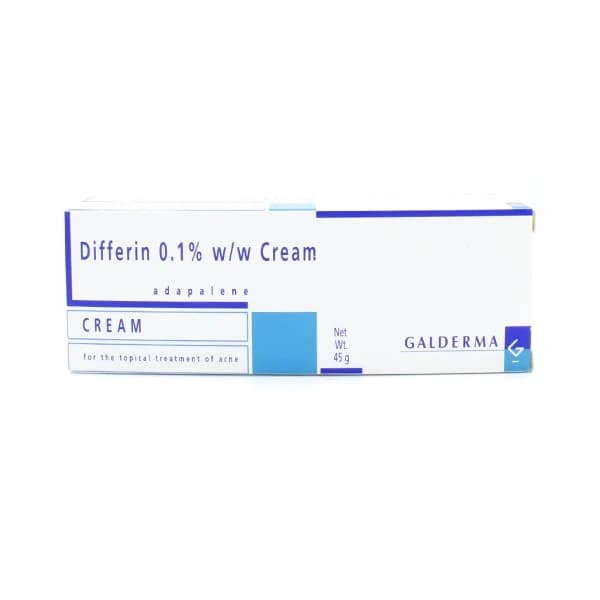
Differin Cream contains adapalene, which is a form of vitamin A used in the treatment of acne. Differin has an anti-inflammatory effect and is used to reduce soreness and irritation of the skin.
Differin Gel
Differin Gel contain adapalene, which is a form of vitamin A used in the treatment of acne for its anti-inflammatory effect to reduce soreness and irritation of the skin caused by mild to moderate acne.
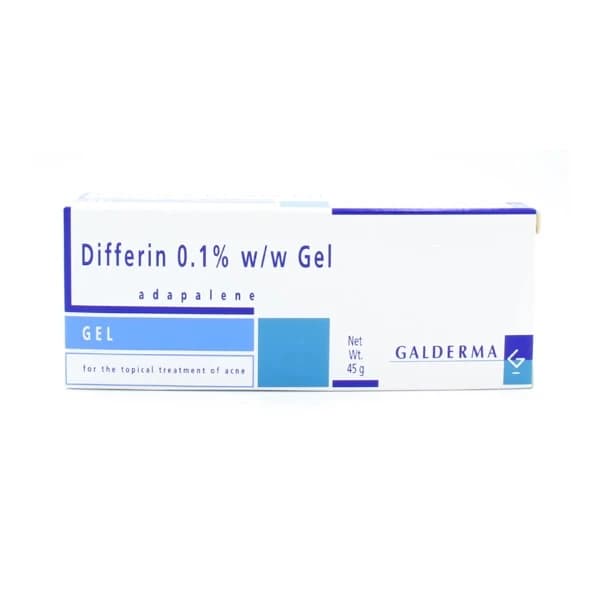
Differin Gel contain adapalene, which is a form of vitamin A used in the treatment of acne for its anti-inflammatory effect to reduce soreness and irritation of the skin caused by mild to moderate acne.
Epiduo Gel
Epiduo combines two active ingredients to treat acne. Adapalene work directly on the skin processes to help to reduce your acne and benzoyl peroxide is an antimicrobial that softens and peels the outer layer of skin.
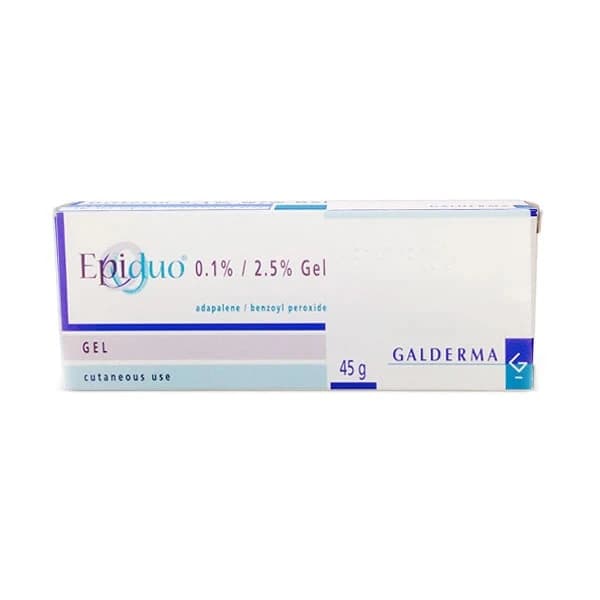
Epiduo combines two active ingredients to treat acne. Adapalene work directly on the skin processes to help to reduce your acne and benzoyl peroxide is an antimicrobial that softens and peels the outer layer of skin.
Finacea 15% Gel
An effective topical treatment which contains azelaic acid, which is used to treat acne and rosacea.
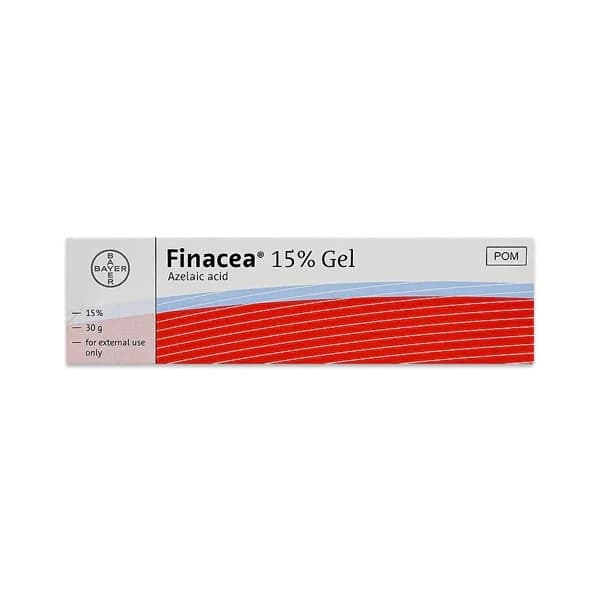
An effective topical treatment which contains azelaic acid, which is used to treat acne and rosacea.
Skinoren Cream
A topical cream containing Azelaic Acid used in the treatment of acne vulgaris and rosacea.
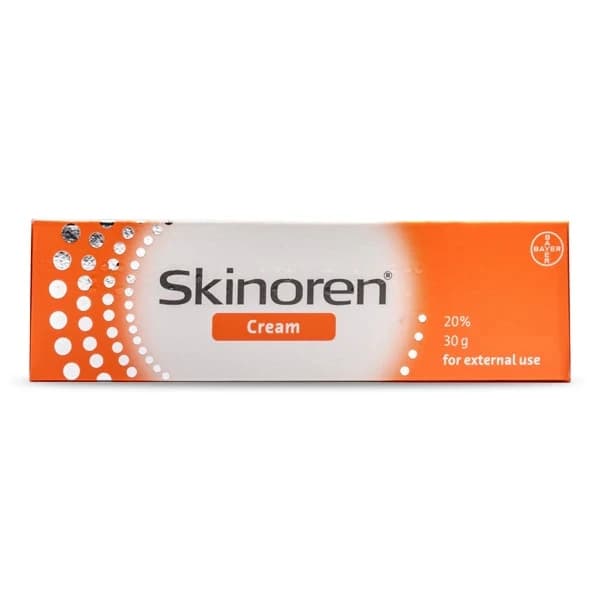
A topical cream containing Azelaic Acid used in the treatment of acne vulgaris and rosacea.
Zineryt
A powder and solvent for used the treatment of acne vulgaris in children, adults and the elderly.
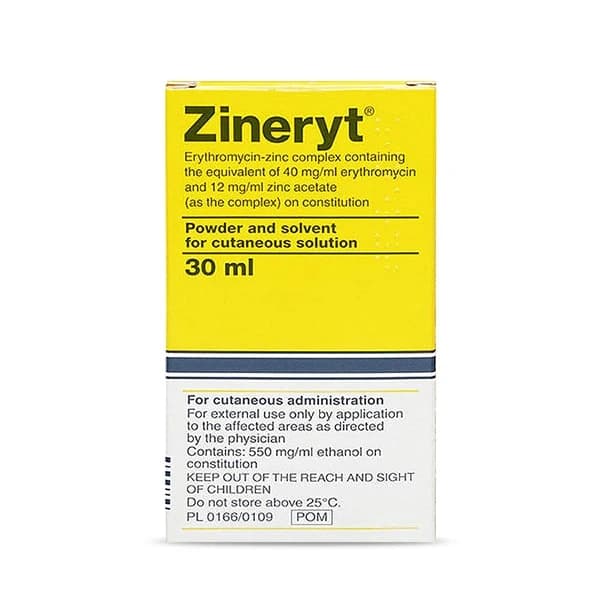
A powder and solvent for used the treatment of acne vulgaris in children, adults and the elderly.
Let's take care of it


We'll provide you with a tailored treatment plan from a UK registered doctor
Receive genuine medication shipped discreetly to your door
Frequently asked questions about acne
What causes acne?
It is commonly thought that acne is cause by something we do such as not washing enough or eating the wrong foods. The true cause of acne is largely unknown, but it has been linked to a number of factors.
Family history
Acne is known to run in families. If both your mother and father had acne, it's likely that you'll also have acne.
Hormone levels
Acne is commonly linked to the changes in hormone levels during puberty but can start at any age. Certain hormones cause the oil-producing glands next to hair follicles in the skin to produce larger amounts of sebum (oil). This additional sebum changes the activity of a usually harmless skin bacterium called P. acnes, which can become more aggressive and causes inflammation and pus. The hormones can also thicken the inner lining of the hair follicle, causing a blockage of the pores. Cleaning the skin does not help to remove this blockage.
Hormone changes linked to pregnancy and menstrual cycles may also trigger episodes of acne in women.
Are there different types of spots?
You may think that spots are just spots, but there are different types:
- Blackheads (comedones) – small black or yellowish bumps
- Whiteheads (comedones) – similar to blackheads but may be firmer
- Papules – small red bumps that may feel tender or sore
- Pustules – similar to papules, with a white tip caused by pus
- Nodules – large hard lumps beneath the surface of the skin
- Cysts – the most severe type of spot; large pus-filled lumps that can cause permanent scarring
What treatments are available for mild, moderate or severe acne?
The appropriate acne treatment will depend on the degree of acne. This is difficult to define and best judged face to face or via clear photographs.
Mild – Topical treatments such as benzoyl peroxide, retinoids (e.g. adapalene / Differin), topical antibiotics, azelaic acid (Skinoren), or Zineryt. Combination products such as Epiduo or DUAC Once Daily may also be suitable.
Moderate – If topical treatments do not settle symptoms, oral antibiotics such as lymecycline may be considered, sometimes combined with topical creams.
Severe – If there is no significant improvement with trials of oral antibiotics, referral to a dermatologist should be considered.
Other effective treatments for acne include oral contraceptives for women, isotretinoin, light and laser therapy. We do not provide these treatments at PrivateDoc, but you can find out more by speaking to your GP or a dermatologist.
How long will it take to see results?
Many treatments can take 2–3 months before they start to work, so it is important to remain patient and persist with a recommended treatment. Topical retinoids and antibiotics are usually prescribed for a 6–8 week course. Antibiotic tablets for acne treatment typically take around 6 weeks for noticeable improvements.
What else can I do aside from treatments to help clear my skin?
The treatments that you will use to help clear your skin are not intended to replace regular washing. Cleanse your skin morning and night with a mild gentle soap or fragrance-free cleanser. Be gentle — over-washing can aggravate acne.
Try not to pick or squeeze your spots as this can aggravate them and may cause scarring. Wearing make-up labelled as non-comedogenic can help you feel more confident — remember to fully remove make-up at the end of the day.
Can acne be cured?
At present there is no 'cure' for acne, although the available treatments can be very effective in preventing the formation of new spots and scarring.
How does my order arrive?
All our medicines are sent via DPD or Royal Mail in discreet packaging. If we prescribe your medication before 2 pm, your order will be shipped the same day. We provide you with a tracking number so you can track your parcel right to your door.
What is Maskne?
Maskne, or mask acne, is a type of acne breakout caused by wearing a face mask. Maskne is caused by clogged pores and trapped dirt. Oil, dead skin and bacteria build up under the mask, and humid air from your breath can increase your chances of acne.
Can you treat Maskne?
Yes — washing your mask and face regularly and seeking a consultation with us can help. We can advise on the best treatment for your skin. Consistency is key to seeing results.
The expert team leading our online clinics
PrivateDoc is happy to introduce you to some of our world class talent who will be supporting you through your journey.

Dr Ruchira Karunadasa
Chief Medical Director
Dara O'Malley
Director of Pharmacy
Caroline Marshall
Head of OperationsQuality care when you need it most